Tokenized Pre-IPO Equity: Readiness Framework Most Projects Ignore
Tokenizing pre-IPO shares is gaining traction as a new distribution model for private market access. However, most projects approach it as a marketing or liquidity innovation, rather than a regulated financial infrastructure problem.
Blockphrase Team
- Published
- Reading time
- 5 min read
Tokenizing pre-IPO shares is gaining traction as a new distribution model for private market access. However, most projects approach it as a marketing or liquidity innovation, rather than a regulated financial infrastructure problem.
Before launching tokenized equity, there are critical legal, operational, and structural prerequisites that must be addressed.
What Is Tokenized Pre-IPO Equity?
Tokenized equity refers to the representation of ownership in a private company using blockchain-based tokens. These tokens may represent:
Direct equity ownership (real shares) Synthetic exposure (derivatives or contractual claims)
The distinction is fundamental, as each falls under different regulatory frameworks.
5 Critical Readiness Checks Before Tokenizing Equity
- Issuer Authorization and Compliance
The first question is straightforward: Does the issuing company know and approve the tokenization?
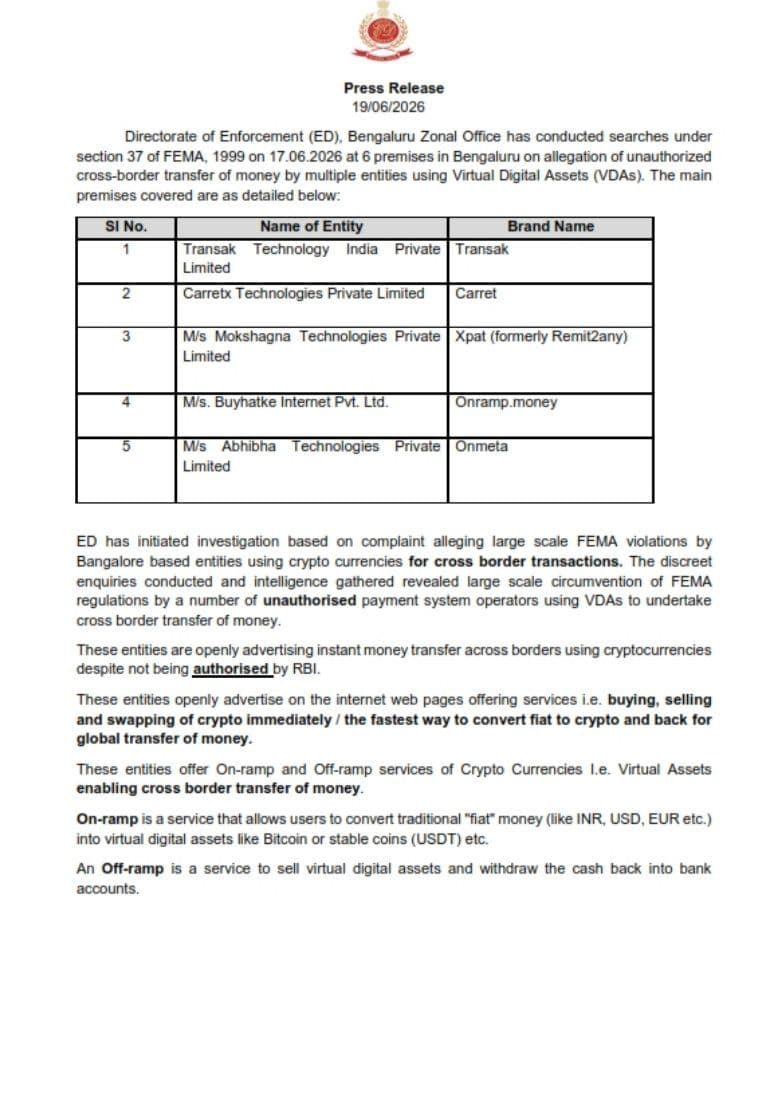
Unauthorized tokenization of equity creates immediate regulatory exposure.
The U.S. Securities and Exchange Commission increasingly enforces issuer consent requirements Without approval, tokens may be classified as unregistered securities Legal liability extends to both issuers and platforms
Key takeaway: No issuer approval = no compliant tokenization.
- Real Equity vs Synthetic Representation
Projects often fail to distinguish between:
Real Equity Tokens Represent actual shares Require registration or exemptions (e.g., Reg D, Reg S) Grant shareholder rights (voting, dividends) Synthetic Tokens Provide price exposure only Structured as derivatives or contracts Often restricted to sophisticated or institutional investors
Implication: Your entire legal framework changes based on this classification.
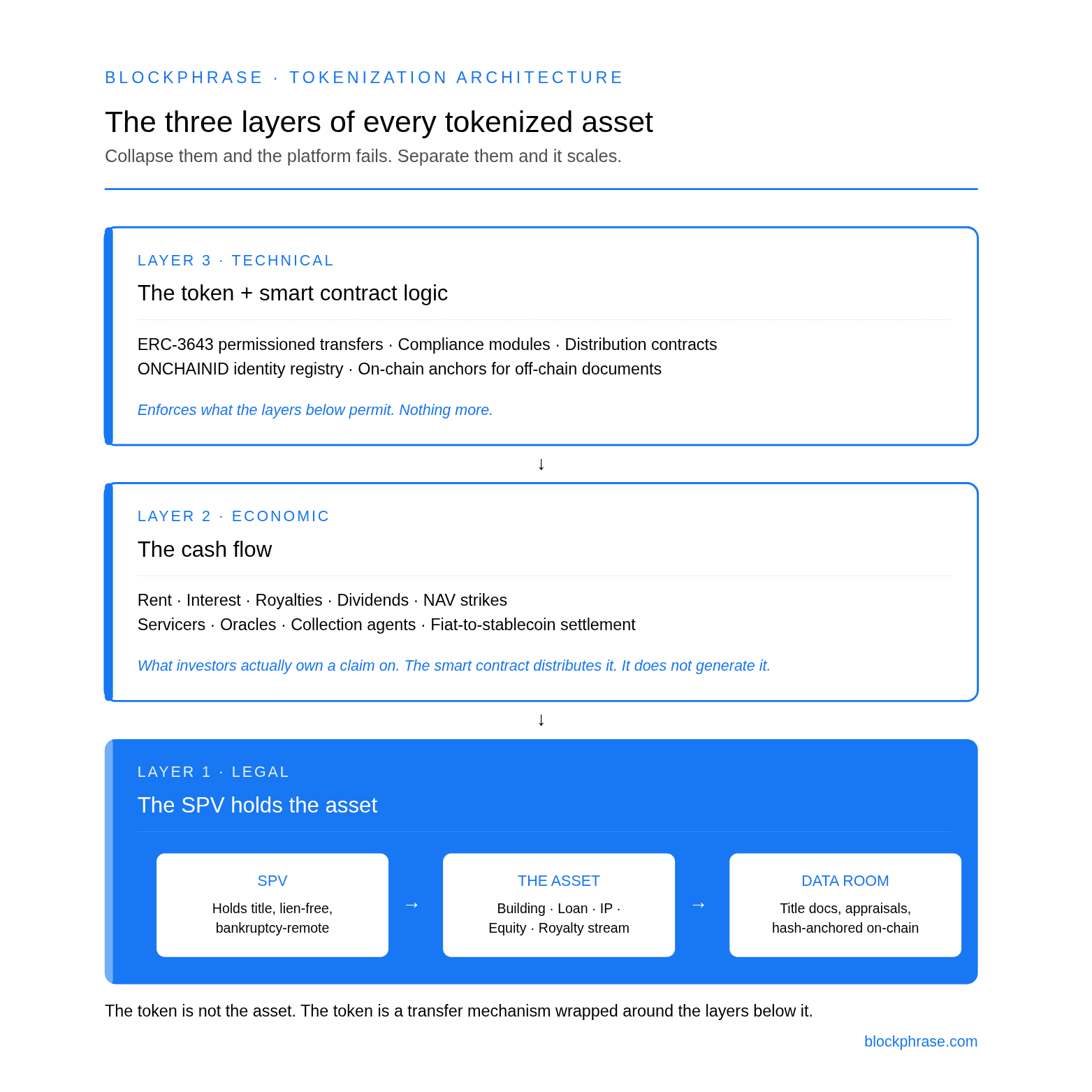
- Ownership Registry Architecture
Where ownership is recorded determines enforceability.
Models: On-chain registry → Transparent but legally untested in many jurisdictions Off-chain registry → Traditional cap table, legally recognized Hybrid model → On-chain tokens mapped to off-chain records
Critical requirement: On-chain and off-chain records must always reconcile.
Failure here leads to:
Disputed ownership Broken shareholder rights Regulatory non-compliance 4. Jurisdictional Strategy
Tokenized equity is not globally standardized. Regulatory treatment varies significantly across regions:
United States (Retail vs Institutional) → Strict securities laws, accreditation requirements European Union → Fragmented but evolving under MiCA and national frameworks UAE → More progressive but still regulated via licensing regimes
Each jurisdiction impacts:
Token structure Distribution model Investor eligibility Compliance obligations
There is no “global token” without jurisdictional segmentation.
- Liquidity and Market Structure Design
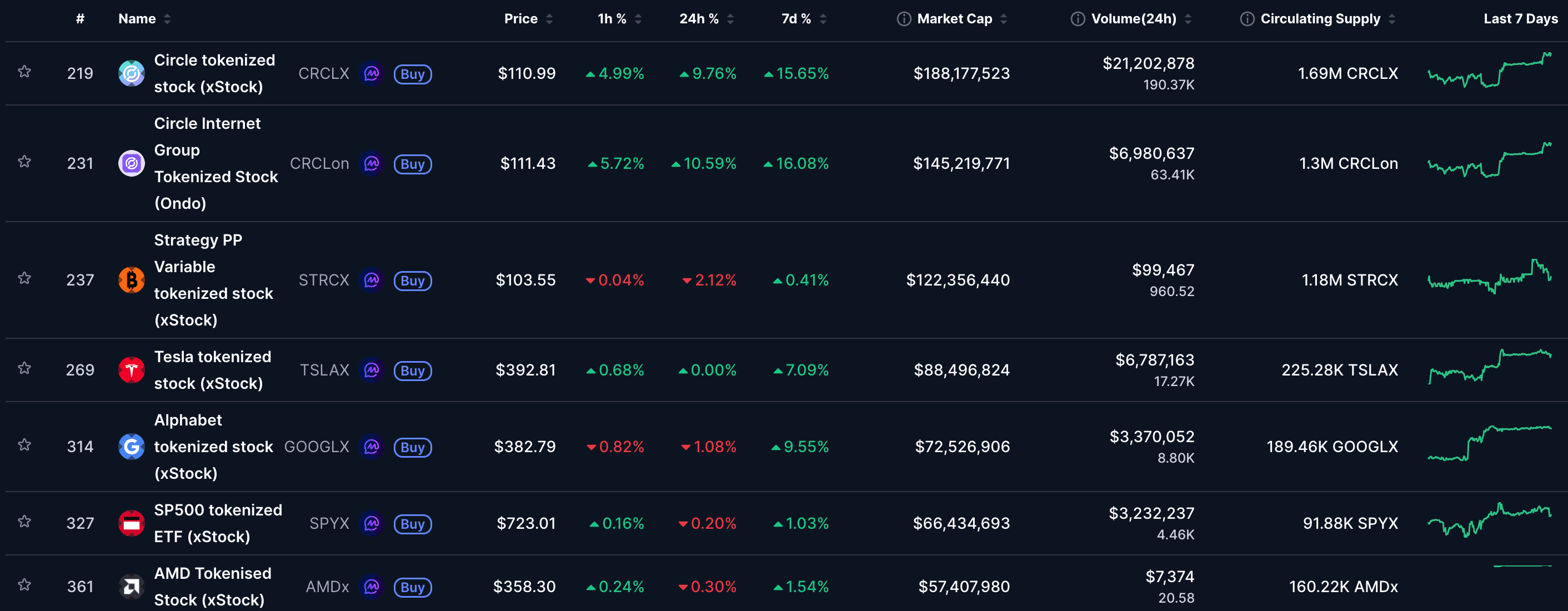
Tokenization does not automatically create liquidity.
Projects must engineer:
Market making strategies Order book or AMM design Lock-up and vesting schedules Secondary trading compliance
Ignoring liquidity mechanics leads to:
Illiquid markets Price manipulation risks Investor dissatisfaction Why Most Tokenization Projects Fail
Most teams treat tokenized equity as:
A distribution layer for private assets
Instead of what it actually is:
A regulated financial system requiring legal, operational, and market infrastructure alignment
Final Perspective
The opportunity in tokenized equity is substantial:
Expanded access to private markets Improved settlement efficiency Programmable ownership
However, execution requires institutional-grade rigor across:
Legal structuring Compliance frameworks Market design Infrastructure synchronization
Projects that skip these fundamentals are not innovating—they are accumulating regulatory risk.